LotRFI Pt. 4–The Hobbits as Children

It is still very clear in my mind that I considered the hobbits to be children during my first reading of LotR. In fact, I remember the animosity I initially felt toward the portrayal of the hobbits in the Peter Jackson films because they showed the hobbits as (what I deemed at the time) weak adults, instead of as an inexperienced, sheltered, child-like race. I will readily admit that I probably adopted this viewpoint to better relate to the hobbits as a reader, but it seems to be a very supportable perspective. I want to go into more detail with the character of Pippin in a separate blog post, he has long been my favorite hobbit, but I want to give just a small vignette of each hobbit here that bolster this approach to the hobbits as a group. Now that I am older, I can read into the nuances of characterization much more than I was able to in my first reading. I am not saying that the analysis that follows is the only way or the right way to approach the text, in fact I would explicitly say that some of the analysis is the wrong way to approach the text, but in my first reading I assumed that the hobbits were child-like, and so many aspects that otherwise would contribute to a different understanding of the group only served to validate that perspective in my first reading.

One of the shortcomings in my understanding of LotR as a young reader was that I did not understand the class distinction among the hobbits. I knew that they were on unequal social footing, what with Sam working for Frodo, but I did not really have an appreciation of how this impacted the interactions between the hobbits. Most of the instances where Sam adopts a deferential or submissive attitude which many adults would discern as a marker of his lower-class status, conveyed a much different meaning to me. I saw in these instances the actions of a young boy who was uncertain of the world and his place in it. Therefore, Sam’s appeal to Frodo in his first scene with dialogue, his “Don’t let him hurt me, sir!” (FR, I, ii, 63), struck me as a plea to someone with more understanding of the situation, not as a petition to someone of higher social distinction. This interpretation pairs well with Sam’s expressions of unbridled joy and sense of adventure in a way that makes him seem young and naive. In the same scene, Sam’s ability to change to “Me go and see Elves and all! Hooray!” in just a few lines is very characteristic of the way these two currents of Sam’s personality intersect to make him seem young (FR, I, ii, 64).

In a similar fashion, I interpreted the other hobbits using this same lens. Merry’s “know-it-all” personality came across as a child whose ignorance enabled their over-confidence. Pippin’s joviality struck me as a “cut-up,” someone who was always trying to make others laugh and be the center of attention. The best scene to quickly illuminate both interpretations is the exchange between them in the Prancing Pony just before Frodo, Pippin, and Sam head into the common room. Merry warns the others to “mind your Ps and Qs, and don’t forget that you are supposed to be escaping in secret, and are still on the high-road and not very far from the Shire” (FR, I, ix, 154). To which Pippin responds “Mind yourself! Don’t get lost, and don’t forget that it is safer indoors” (FR, I, ix, 154). Merry’s warning comes from a place of superiority. He feels like he knows more than the other hobbits, and it is his burden to keep them in-line, even though he has never been much farther than they have and has only heard tales of Bree. Pippin’s response starts with a rebuttal. He starts indicating that Merry should be as wary as they are, and goes on to give his own warnings. Pippin’s warnings are a mockery of Merry’s in that they expose the unnecessary statements of common sense for what they are. This shows Merry’s high self-regard and Pippin’s playful way of bringing him back down to hobbit stature.

The final scene I want to talk about is the interaction in “Three is Company” where Pippin orders Sam to prepare breakfast for the others after their first night camping in the Shire. The following exchange takes place:

[Frodo] stretched. “Wake up, hobbits!” he cried. “It’s a beautiful morning.”

“What’s beautiful about it?” said Pippin, peering over the edge of his blanket with one eye. “Sam! Get breakfast ready for half-past nine! Have you got the bath-water hot?”

Sam jumped up, looking rather bleary. “No, sir, I haven’t, sir!” he said.

Frodo stripped the blankets from Pippin and rolled him over, and then walked off to the edge of the wood. (FR, I, iii, 72)

I choose this scene for a couple of reasons. Again, remember that I was unaware of the class distinction as a young reader. This scene, then, demonstrated the kind of hierarchy of joking that can persist within a friend-group. Pippin’s entitlement leads him to order Sam around and Sam, as the stereotypical member of the group who is seeking belonging, is quick to accommodate the demand. In a sense, I considered this a joke from Pippin that he took too far. This crossing of a line is what compels Frodo to stick up for their mutual friend and check Pippin, much like Pippin does to Merry in the Prancing Pony scene discussed above. It would not have surprised me, in my initial read, if Pippin directed this command at Frodo; though I would have expected Frodo to stand up for himself had that been the case.

The only exception to this form of stereotyping was Frodo. Frodo was a very difficult character for me to understand as a young first-time reader. He was very complex, too complex for me to really grasp much of until I read the book a second time as a teenager. While he was on the same level with the other hobbits, meaning they treated him as an equal, he was altogether more grave and serious than the rest of them. I almost want to say that I approached Frodo as the “straight man” of the group. He was the one who understood the larger situations so he endured the colorful expressions of delight and humor without engaging in them himself very often. I was much more engrossed by Frodo’s character later in the book, but I did not particularly like him this early on—even though I probably identified more with him on a personal level than any of the other hobbits. His reserved demeanor and aloof personality among the inhabitants of the Shire were very relatable for an introverted middle-schooler.

Where do We Go From Here?

I hope to stop by Farmer Maggot’s pretty soon, then explore the Barrow Downs!

What Do You Think?

Did you equate the hobbits with a specific age when you read LotR? If so, what age were they?
How has your mental-image of the hobbits changed over your experience rereading/discussing LotR?

Rhiuial’s Experience–Tolkien Experience Project (2)

This is one in a series of posts where the content is provided by a guest who has graciously answered five questions about their experience as a Tolkien fan.

To see the idea behind this project, or if you are interested in sharing your own, visit the project homepage. If you enjoy this series, please consider helping us fund the project using the support page.

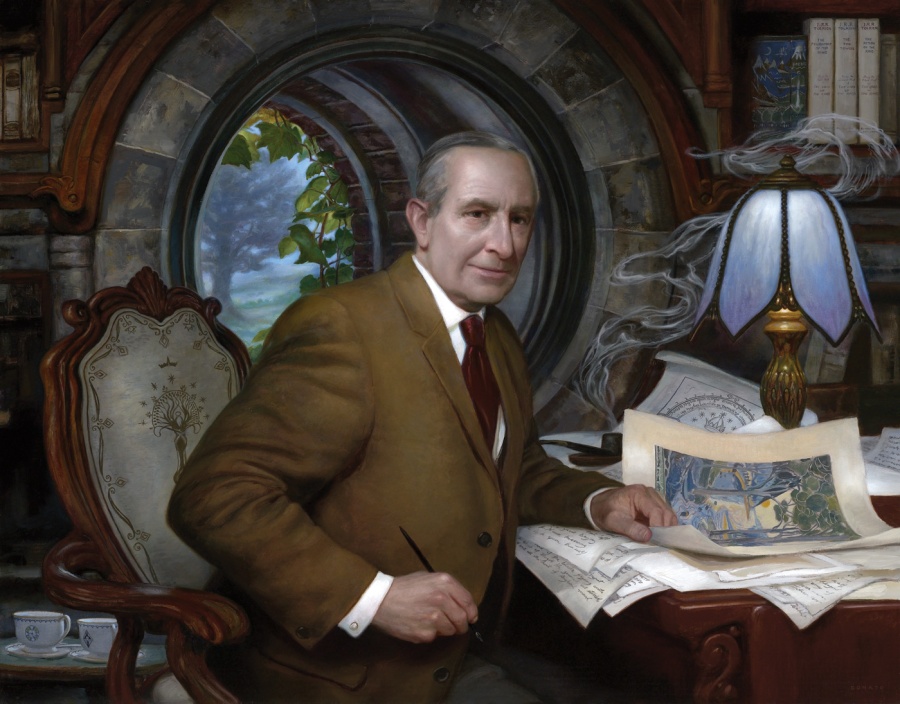
I want to thank Donato Giancola for allowing me to use his artwork for this project. Prints are available on his website!

Now, on to Rhiuial’s responses:


How were you introduced to Tolkien’s work?

Picked up Unfinished Tales in a bookshop aged 18 and got thoroughly hooked!

What is your favorite part of Tolkien’s work?

The Silmarillion, but especially: Of The Fifth Battle: Nirnaeth Aernoediad.

What is your fondest experience of Tolkien’s work?

Too many !

Has the way you approach Tolkien’s work changed over time?

Yes. I now much prefer reading the books chronologically.

Would you ever recommend Tolkien’s work? Why/Why not?

I have done frequently, why not?? A great way of developing imagination/escapism


LotRFI Pt. 3–Shire Trees and Old Man Willow

Landscape

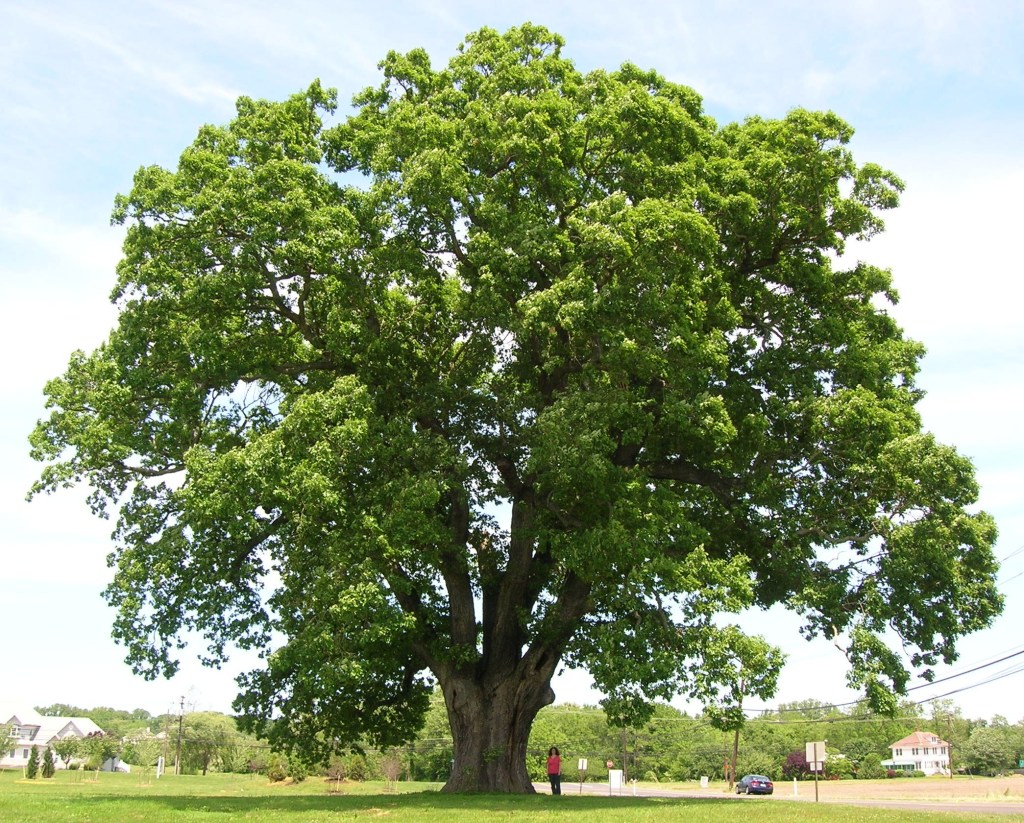
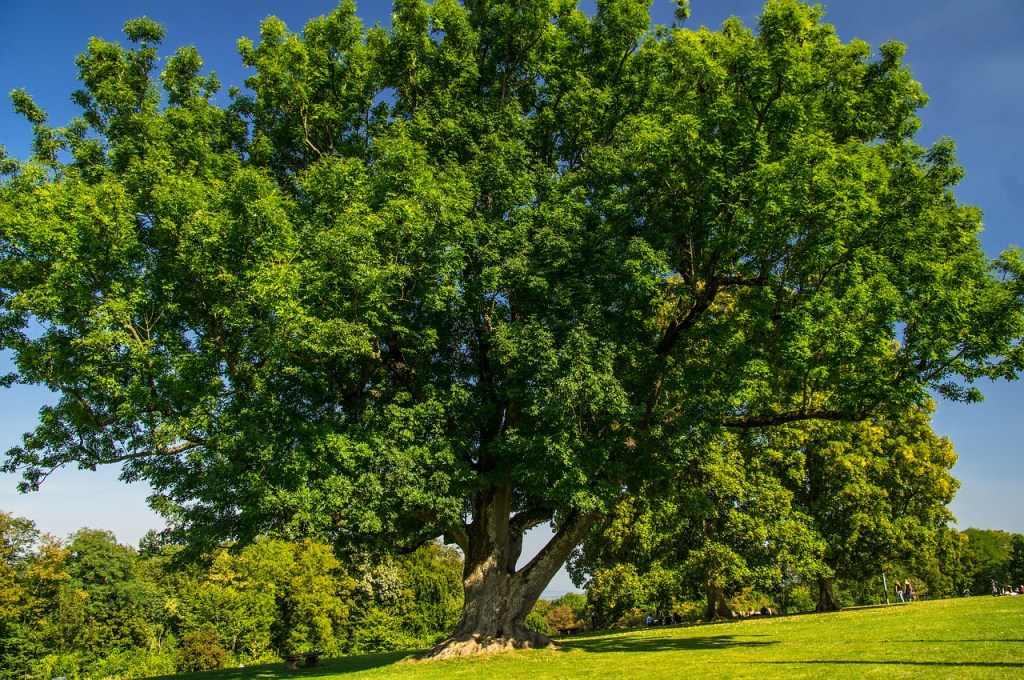
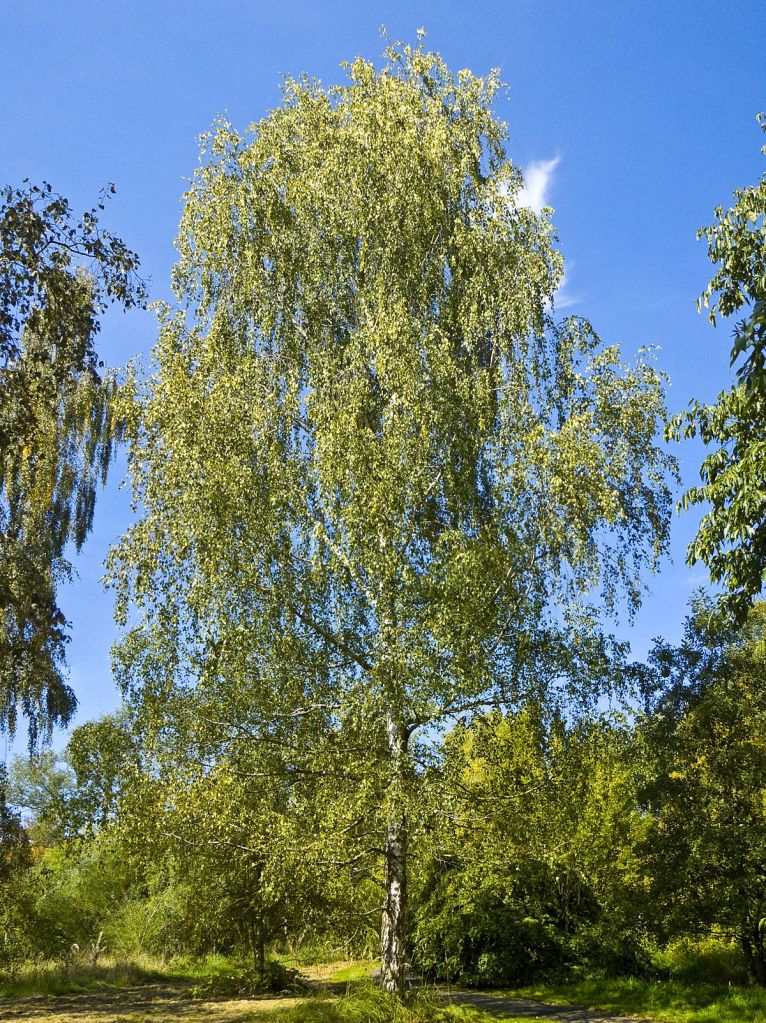
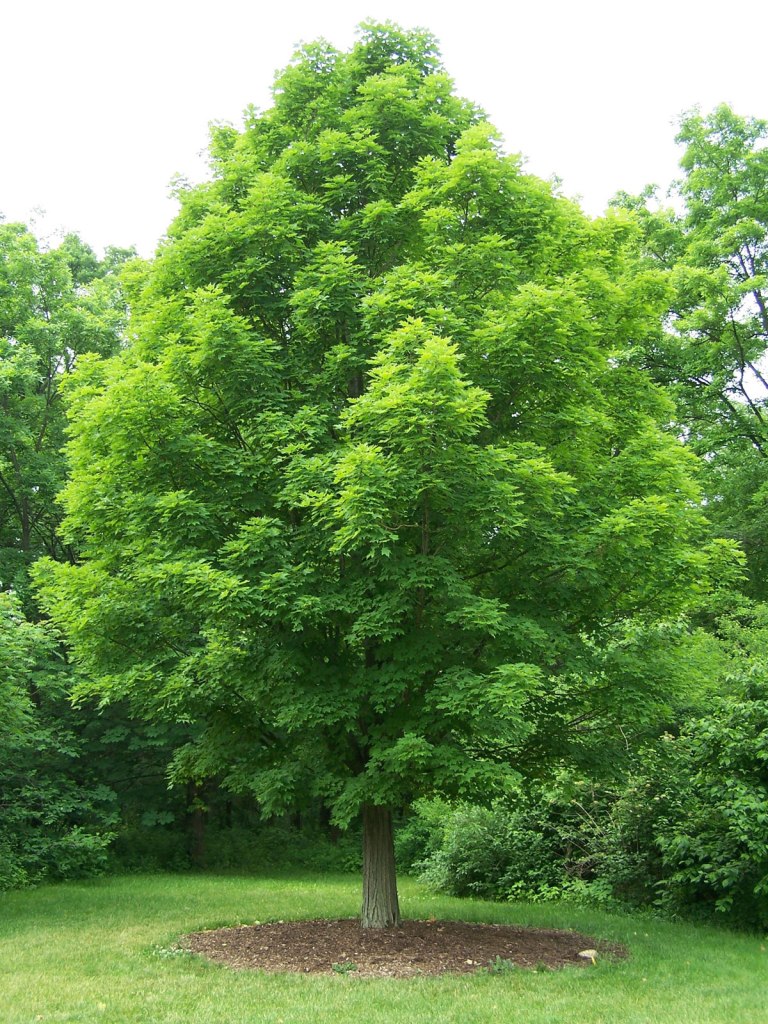
Since I read the books as a child, I had no real concept of what different kinds of trees looked like. Growing up in Southern United States, the most common trees around me were birch, maple, oak, and ash. Tolkien only uses two of these species in his descriptions (oak and ash), but I undoubtedly pictured The Shire with the same trees that I encountered every day.

Tolkien Included:

Oak Trees

Ash Trees

I added:

Birch Trees

Maple Trees

At first, this may seem like a trivial matter, but it can have a very large impact on the visual landscape in the reader’s mind. For example, in Chapter three, the travelers (Frodo, Sam, and Pippin) stop in a “fir-wood” and make camp for the night:

“Just over the top of the hill they cam on the patch of fir-wood. Leaving the road they went into the deep resin-scented darkness of the trees, and gathered dead sticks and cones to make a fire” (FR, I, iii, 72).

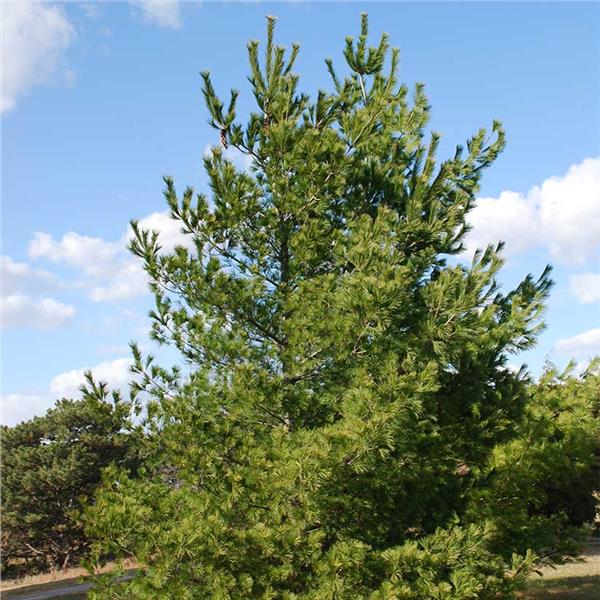
Tolkien describes the hobbits setting up camp under a group of trees similar to this:

However, I had never seen fir trees. Using the context clues, I assumed that it had to be a kind of tree that had “cones.” Well, I was certainly familiar with one of those, we had dozens of pine trees in my back yard! So I pictured the three hobbits sitting in a group of trees that looked something like this:

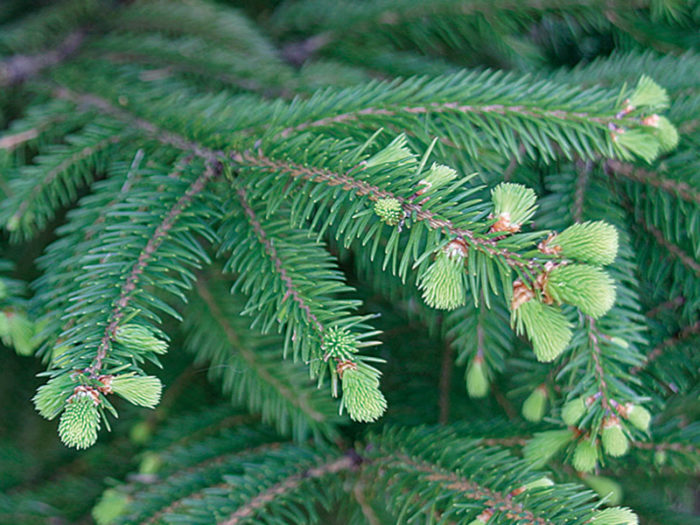
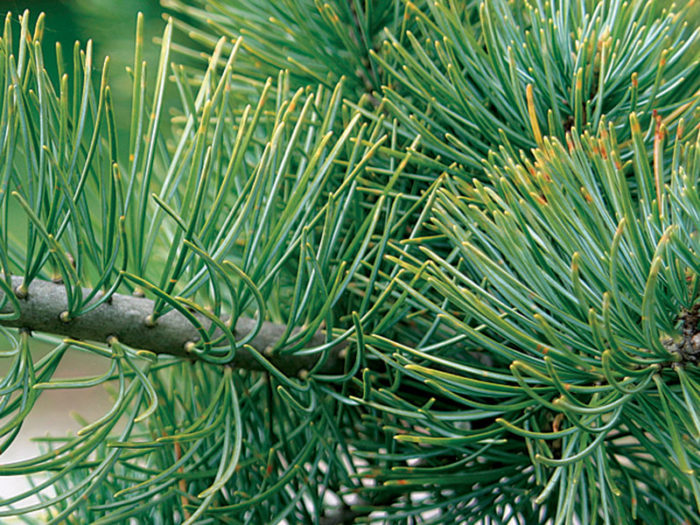
Now I know that many readers are saying, “They are all evergreen conifer trees, this really isn’t a big deal!” But I would ask you to look closer. Here is a close comparison of branches from each (images from http://www.finegardening.com/fir-vs-spruce-vs-pine-how-tell-them-apart):

Fir Needles

Pine Needles

This view shows you the very different appearance of each tree. Also, if you grew up with pine trees (or used one for your Christmas/Yule celebration) then you know that they have two very unique characteristics: they shed their needles and their sap is very sticky and odoriferous. This means that in order to start a fire under the pine trees, the hobbits would likely have had to clear a space among the fallen, dead needles of a pine so as not to start a larger fire than they intended! So while this distinction of trees is very small, it makes a very large difference in the impression it leaves on the reader.

In the end, The Shire that I pictured as a child had a few more birch and maple trees than Tolkien probably envisioned, and all of the fir trees were replaced with pine. This leads to a very different mental image and also changes the associations that the reader has with the trees. These differences of experience lead to different individual interpretations and responses to the text.

Old Man Willow

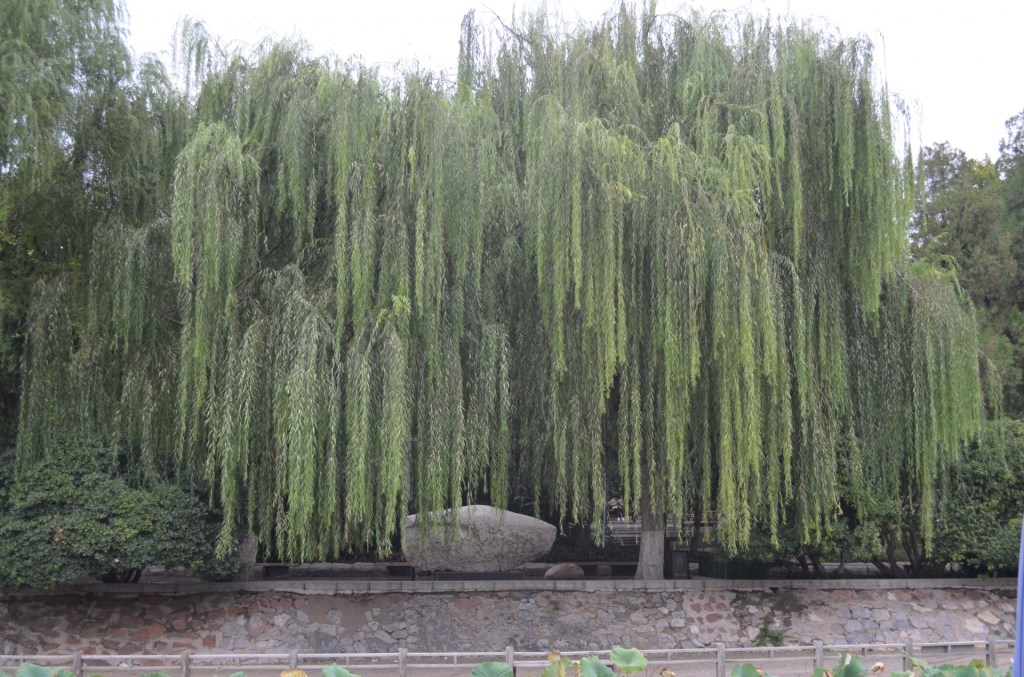
This actually explains why many of the artists who have portrayed Old Man Willow have made the dangling limbs shorter than I always imagined them. I had always thought that it was largely artistic license, since a curtain of dangling limbs is less appealing than a clear view of the action,. Perhaps this latter consideration still plays a role, but the fact that the types of willow in England ​and that many of them have characteristically shorter limbs than a Black Willow certainly reaffirms their decision.

Where Do We Go From Here?

I intend to have the first reflection on the character of a hobbit soon. I also want to look at the events with Farmer Maggot and the Barrow Downs before we head on to Bree.

What Do You Think?

What trees have you always pictured in the Shire?
Do you think that the kind of trees you imagine change the way you think about the setting?
How have you always pictured Old Man Willow?

Tom H’s Experience–Tolkien Experience Project (1)

This is the first in a series of posts where the content is provided by a guest who has graciously answered five questions about their experience as a Tolkien reader. I am very humbled that anyone volunteers to spend time in this busy world to answer questions for my blog, and so I give my sincerest thanks to Tom and the other participants for this.

To see the idea behind this project, or if you are interested in sharing your own, visit the project homepage. If you enjoy this series, please consider helping us fund the project using the support page.

I want to thank Donato Giancola for allowing me to use his artwork for this project. Prints are available on his website!

Now, on to Tom H’s responses:


How were you introduced to Tolkien’s work?

As a boy I was enchanted by anything to do with the ancient world or mythology. At about 10 I came across Conan the Barbarian, first in some mass market reprints, and then in Marvel Comics. In those days comic books had letters to the editor. People would write in and Stan Lee would respond. A famous example of this is the letter a teenage G.R.R. Martin wrote in about the Fantastic Four, which was published and I’ve seen it, I think, on his website.

The summer I was eleven (1971) I read a letter someone had sent in about a previous issue of Conan, saying that the battle scene in it was the best thing he had read since “The Siege of Gondor” in The Lord of the Rings.  This sounded too good to resist, and I found the three books on a spinner rack at a local newspaper store. I bought Fellowship and burned through it. I did the same with The Two Towers, and literally ran out the door to get The Return of the King after reading “Frodo was alive, but taken by the enemy.” As soon as I finished, I read it again.  For about ten or twelve years after this I read it 2-3 times a year.

I read The Hobbit, too, but only a couple of times. After The Lord of the Rings it just didn’t seem very substantial, though I liked many of the characters. (I have a much higher opinion of The Hobbit these days.) I had probably read The Lord of the Rings fifteen times by the time The Silmarillion appeared in 1977. Unlike many first time readers of The Silmarillion, I had no difficulty with it. I devoured it. There wasn’t anything like the amount of stuff on Tolkien in those days, but I read everything I could get my hands on. I still have these books 40 years later.

What is your favorite part of Tolkien’s work?

A very tough choice, given that I’ve been reading it for over 40 years. Different parts have been my favorites at different ages. When I was a boy, the horns of the Rohirrim were my favorite, and they are still hard to beat.  The courage and love of Merry and Eowyn fighting through their fear, to face the Witch-king. Strider singing of Beren and Luthien. Finrod and Sauron’s duel of song. Luthien’s demolition of Sauron. The leap of Beren. The description of Sam standing by the side of the sea on the Grey Havens far into the night.  Tuor being granted the ability to see with ‘the swift sight of the Valar’ for a moment. The paragraph in Akallabeth describing the wave overwhelming everything, last of all the Queen.

What is your fondest experience of Tolkien’s work?

Taking an hour and a half bus ride across town to buy The Silmarillion the day it came out, and starting to read it on the ride back. I don’t remember if I finished it that first night, but I don’t think I slept a bit. I am pretty sure I read all night long. All of this culminating in the moment when I finally got to learn more about Beren and Luthien. Until that moment, Strider’s song was pretty much all you could know.

Has the way you approach Tolkien’s work changed over time?

I am not entirely certain I know what you mean by “approach.” Nowadays I am more attuned to seeing how Tolkien does things than I was when I first read the text, and I do a lot of browsing in keeping with this. It’s also true that when I used to read it as a boy and as a teenager, I lived in the story, but now the story lives in me. The story, especially The Lord of the Rings, is like a friend I love spending time with. We know each other well.

Would you ever recommend Tolkien’s work? Why/Why not?

Of course. At its simplest it’s a wonderful tale, but it’s also an amazingly rich world that helps to recover my soul from the “real” world, and thus it allows me to face the world better.


You can see regular blog posts about Tolkien from Tom on his fantastic blog: http://alasnotme.blogspot.com/

Tolkien Experience Project Launch

(After several suggestions, this post has been replaced by a stable page on my website. It provides the most up-to-date information and a catalogue of previous contributions.)

Please visit the updated page


Hello, and welcome to the beginning of an exciting side project that I am working on! One of the first things that comes up when Tolkien fans get into a shared space is the desire to bond over our experiences of Tolkien’s work. This is a wonderful impulse that draws us together as a fan and scholarly community!

When I tell people that my PhD Research focuses on the experience of young readers of Tolkien, they often ask if they can participate if they are over the age of eighteen. Unfortunately, people older than eighteen fall outside of the scope of that project.

Instead of turning those people away, though, and missing the chance to hear about their significant experiences with Tolkien, I have created this side project. It will serve as a way for readers who cannot participate in my PhD research to still share their stories with the rest of us!

The basic format is that participants reflect on a set of five questions, and then respond to them in short-answer format. This means that answers can be one sentence, or a few paragraphs–no novellas please, mostly because those would be a bit impractical for a blog!

The questions are:

  1. How were you introduced to Tolkien’s work?
  2. What is your favorite part of Tolkien’s work?
  3. What is your fondest experience of Tolkien’s work?
  4. Has the way you approach Tolkien’s work changed over time?
  5. Would you ever recommend Tolkien’s work? Why/Why not?

Participants can take as much time as they need to answer these questions, then they send their answers to me via email. I may respond directly to the participant once or twice to clarify a point or two or to fix typos, but the answers are largely unedited/unfiltered before they are posted here for everyone to see and respond to.

The hope is that this will be a way to foster more community around our interesting, unique, and diverse experiences of Tolkien!

If you would like to participate, you can use the form on the Contact page to send your answers to me, or email me your answers directly!

For full transparency, I should mention that no participants ‘get anything’ out of the project other than the opportunity to share their perspective. I also allow participants to include a link to their blog or social media site if they wish so that other Tolkien fans can follow them and create a larger Tolkien community.


I want to thank Donato Giancola for allowing me to use his stunning portrait of J.R.R Tolkien as the featured image for this project. If you would like to purchase print of this painting, they are available on his website!

LotRFI Pt.2–Of Difficult Words and Gandalf

I wrote the previous entry, primarily concerning Tom Bombadil, largely from memory and without revisiting the text. I have subsequently had the opportunity to revisit The Fellowship of the Ring from the beginning, and this might explain why this second post concerning my first impressions of the text is out of chronological order from the narrative. Instead of pushing forward to Bree, which had been my intention, I want to take a step back and briefly discuss some elements of the Shire that I passed over because they seemed small at the time. When I look back now and add them together they have a large impact on my experience as a reader and to my interpretation of LOTR.

Perhaps one of the most engaging, or off-putting, elements of Tolkien’s text is his use of archaic or unfamiliar terms. This particular aspect of Tolkien’s writing has led to a number of silly misunderstandings surrounding phrases like “pipe weed” which were perfectly understandable choices, but now have very distinct connotations. For a child, this part of Tolkien’s idiom was not really problematic. I was used to adults using words that I did not know and having to search for meaning by using context clues. In fact, there are several words that Tolkien used that I, essentially, learned as part of my everyday vocabulary.

The word mathom in this Shire passages is one such word. Like most readers, I certainly did not know what it meant before I read LOTR. It was not until I used as many of my vocabulary-learning skills as I knew at the time that I could to understand it. This process, though, was not odd to me. It was not a fantastic element of the story. Instead, it was just an extension of the work that I already did every day to learn to understand the world around me. So instead of being a spark of the fantastic in the text, it was a source of what could perhaps be termed realism. It was something that made me engage with the text in a mode that I was already using to engage with the world around me. This creates an interesting observation of how what is used to engender a sense of the fantastic or the surreal in adults can have the opposite effect on children. I quickly realized that mathom was a rare word, but it was not until much later that I learned that it was Tolkien’s own invention.

This tendency for children to frequently experience indeterminacy in their surroundings is perhaps related to my understanding of the character of Gandalf. Again allow me to preface by saying that I am sure that my interpretation is heavily influenced by The Hobbit and the characterization of Gandalf found there. In the first chapter of LOTR, Gandalf frequently contradicts himself in the same sentence. A good example of this tendency is at the end of the chapter before he leaves. His parting words to Frodo are cautionary. Gandalf says “Expect me when you see me” and “look out for me, especially at unlikely times.” As a child these sentences defined Gandalf for me (perhaps owing in part to the high status I have always associated with parting words). These phrases conveyed several things to me about Gandalf. From them I deduced that his character was mysterious. These were obvious contradictions to me: how can you expect (here I thought of anticipate as a synonym) something only when you see it and not before? And if you are “looking out” for something, then how would the time be unlikely? Surely these were cryptic expressions.

At the same time, I understood these sentences to be paradoxes in that, while contradictory, they expressed a kind of truth. The movings of the wizard were beyond comprehension and hobbits, and children, should not expect to understand or be able to follow them. So, naturally, Gandalf would come in a way or at a time unanticipated, even if he was waited for. There was more, though. By choosing to express himself in the complex and contradictory ways, Gandalf became comical to me. I do not mean to say that he was laughable or farcical, but that he seemed humorous in a way that I found endearing. These were the passages, more than his wisdom in chapter two or his guidance of the fellowship that made me cry when he fell in Khazad-dûm.

Where Do We Go From Here?

I still intend to cover all of the topics from my previous post, but it may take a little more time to reach them. I think I will have a second post covering the Shire before we move on to Bree. I do intend to talk about interpretation of characters, but I may do so as the thematic urge arises, like I have done with Gandalf in this post.

What Do You Think?

How did you approach Tolkien’s archaisms or neologisms?
What were your first impressions of Gandalf?
Does the idea that elements used to inspire wonder in adults can be a source of realism to children make sense? Can you think of any others?


LotRFI Pt.1–Intro and Tom Bombadil

Introduction to the Project

My first read of The Lord of the Rings (LOTR) was similar to many in my generation, but distinctly different from the first readers of the text and those after my generation who likely watched the movies before they approached the books. I was introduced to the series as a child who was just beginning to read independently, not as an adult who had prior knowledge about the fantasy genre. Therefore, I formed my first impressions of the text in a vacuum and they were uninfluenced by larger discussion or criticism surrounding the primary work until the next year, when I wrote a school report on Tolkien’s biography. With the rapidity that only insecure children are capable of, I realigned my own to reflect the established interpretations after exposure to other’s thoughts on LOTR. It was not until recently, that I decided to revisit and write about this earlier “misreading” of Tolkien in order to flesh out these first impressions and perhaps give a glimpse into the mind of an underrepresented reader in discussions of Tolkien: children.

Initially, I should note that I read The Hobbit before I read LOTR, so this invariably impacted the way that I read the work. I was preconditioned, so to speak, to view the hobbits as children and to see their acts of adventure as juveniles traversing into the adult world. This being said, I always approached the hobbits in LOTR as if they were adolescents. This interpretation loomed large in my first read-through of the book, and greatly influenced my interpretation. The main aspects in which this influenced my reading were that I saw the quest of the hobbits as a quest for maturity, and I saw many of the episodes outside of the Shire as far more threatening than my subsequent conversations with others lead me to believe was the general consensus. For this analysis, then, I will focus on the character arcs of the hobbits as I first interpreted them, focusing primarily on Frodo and Pippin. Then I will use two early episodes outside of the Shire, the encounter with Tom Bombadil and the events in the Prancing Pony, to attempt to convey the perspective with which I approached the majority of the text and discuss how this changes important aspects of the text.

fullsizerenderOne of the most significant aspects of my first exposure to the work was that I saw each of the hobbits as undergoing a process of maturing. This lens highlighted the fact that Frodo was just “coming of age” in the reckoning of the shire-folk (as a youth, I often equated this age with becoming a teenager).

Perhaps the most interesting impact of this vantage point is the fact that I most closely identified with the story arc of Pippin. This is probably because he most clearly undergoes the kind of bildungsroman that I was looking for in these characters.

Tom Bombadil

One of the most unique aspects of my initial approach to the text that I had to revise almost immediately was my fear of Tom Bombadil. As a child, I took very literally the warnings that there are dangers outside the Shire and that no one was to be trusted. Adults tend to express immediately trust for Tom. It is as if they recognize him as an elemental or good fairie spirit from their past experiences of fantasy. I had no such prior knowledge as a child. At the very least, adults trust Tom as soon he frees the hobbits from the clutches of Old Man Willow. As a child, though, I was still very wary of Tom. How did I know for sure that he and Old Man Willow were not in league?

If you take a moment to carefully reread the Tom Bombadil passages, you can surely see the evidence that a distrustful reader could find to support the case of a dishonest Bombadil. My initial observation was that he lives in the Old Forest. He is undoubtedly associated with the characteristics of those woods; especially if, as Goldberry claims, he is the “master” of the woods. Doesn’t that mean that this area would take on somewhat of his personality? Next, there were the terrifying dreams that each of the hobbits have. Tom promises them they they are safe, yet each hobbit except Sam awakens in fear in the night. While they are ultimately soothed, these incursion with the realm of nightmares leads a distrustful reader to one of two conclusions: either Tom is not the complete master of these woods or Tom intentionally allows these dreams to infiltrate his home in order to terrify the hobbits.

Combine this with the fact that Tom exhibits power over the One Ring while he is conversing with the hobbits in his front room and it is easy to see how a child could believe that Tom represents a very scary and powerful evil.

Where we go from here

In future posts, I will be exploring how this approach shaped my understanding of Frodo and the other hobbits, as well as how it impacted my experience of the Prancing Pony, and the interactions with elves!

What do you think?

How old were you when you first read The Lord of the Rings?
Could you see Tom as an intimidating character?​​